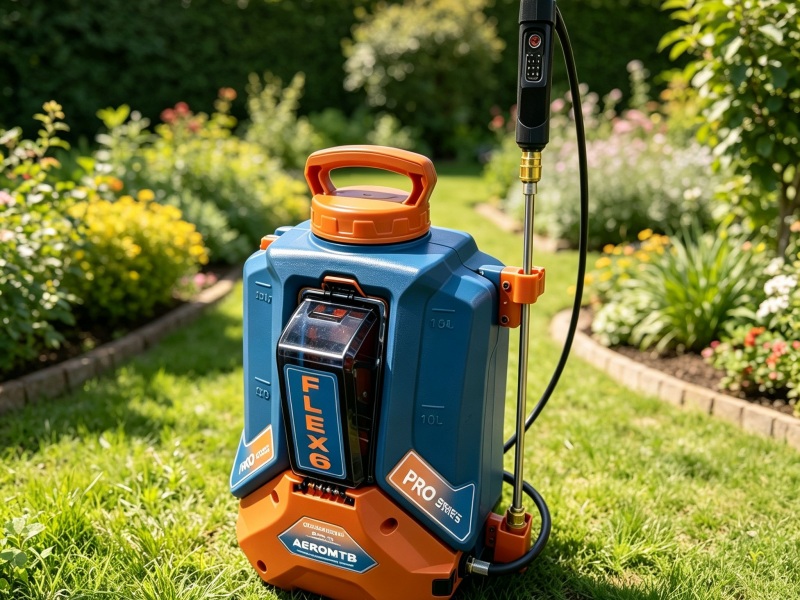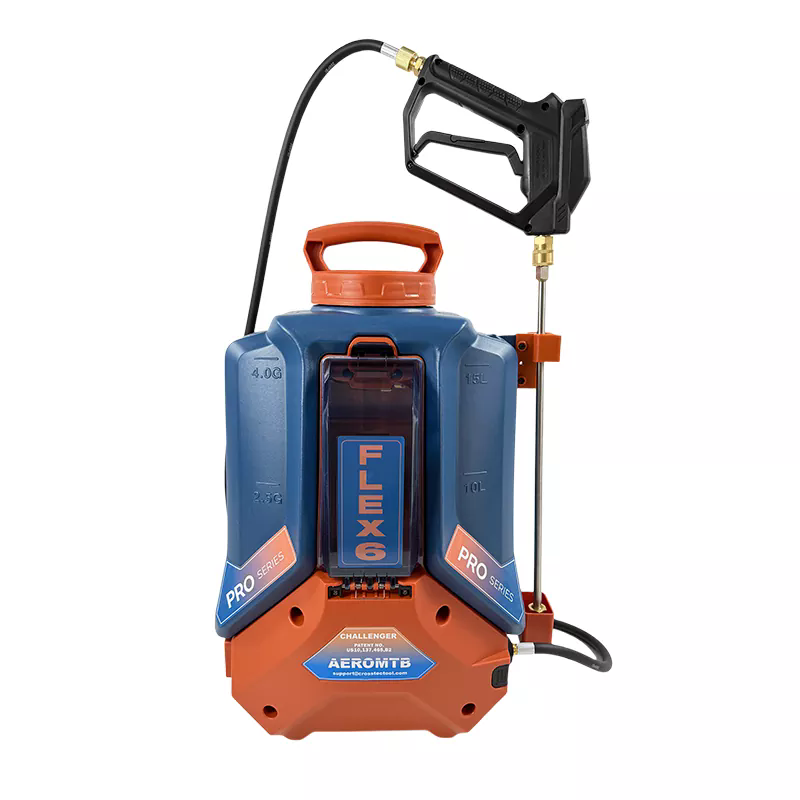
Article Summary: A modern Battery Sprayer can make routine spraying faster, more consistent, and less physically demanding than traditional manually pumped equipment. By using battery-powered pumping systems, ergonomic carrying designs, adjustable flow control, and application-specific accessories, operators can achieve more uniform coverage while reducing interruptions caused by manual pumping. This guide explains how a Battery Sprayer works, what features matter when selecting one, how to match capacity and spraying performance to different applications, and how proper operation and maintenance can extend equipment life. It also examines how solutions from Crosstec can support gardening, horticulture, landscaping, greenhouse cultivation, agricultural spraying, sanitation, and other professional applications.
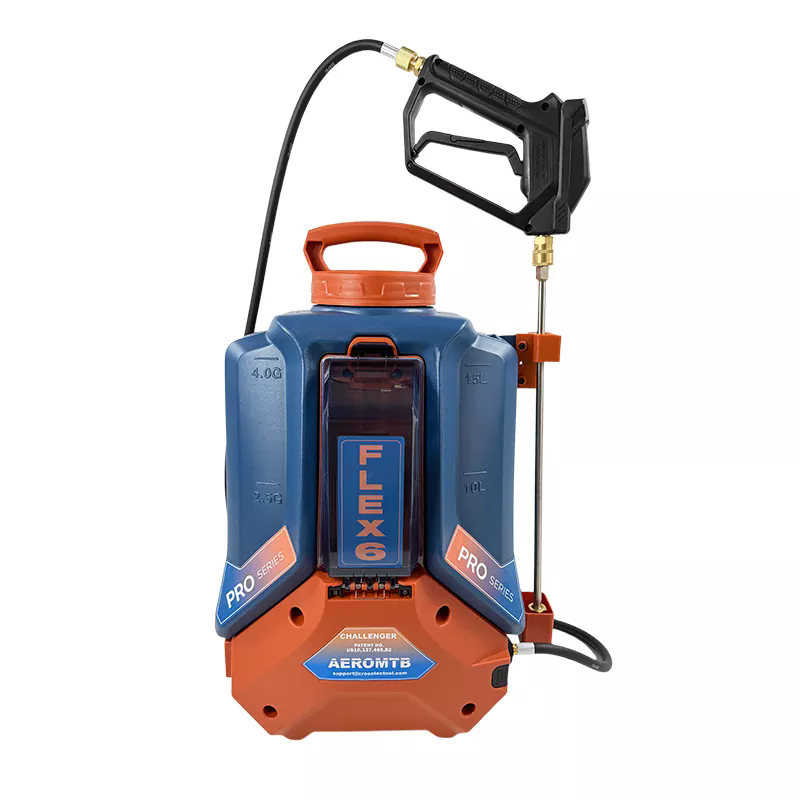
A Battery Sprayer is a portable spraying machine that uses an electrically powered pump rather than continuous manual pumping to move liquid from a tank through a hose, lance, and nozzle. The battery supplies energy to the pump, allowing the operator to concentrate on positioning the spray and controlling the application instead of repeatedly building pressure by hand.
This design is particularly useful when spraying must continue for extended periods. Manual pumping can become tiring during large-area work, while an electrically driven pump can maintain a more stable operating condition throughout the spraying cycle. The result can be a smoother workflow and more predictable liquid distribution.
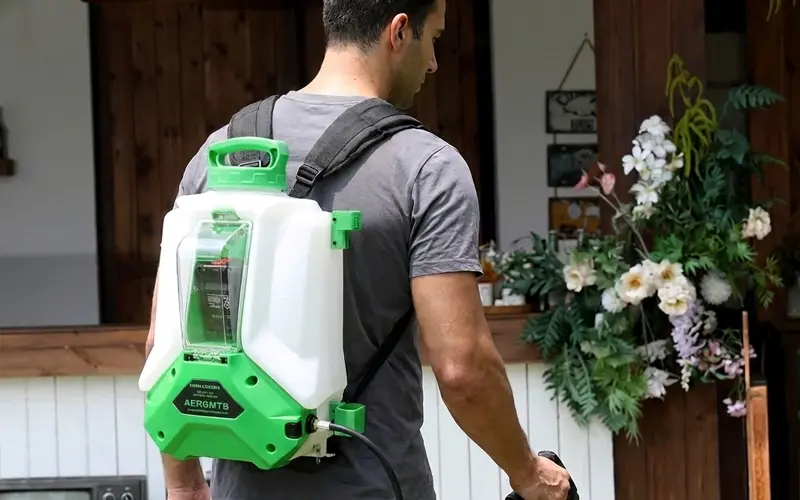
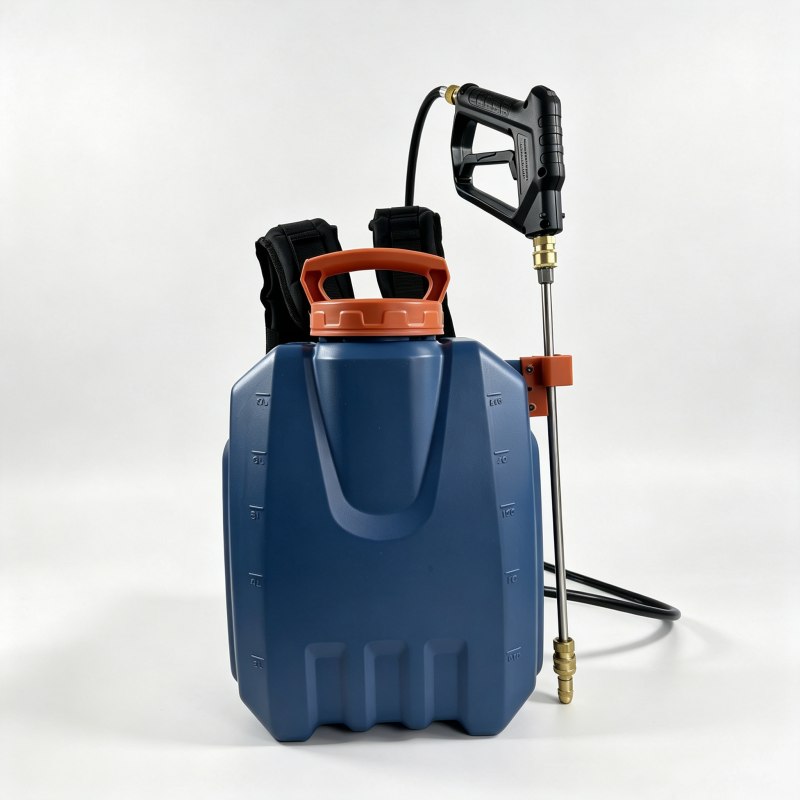
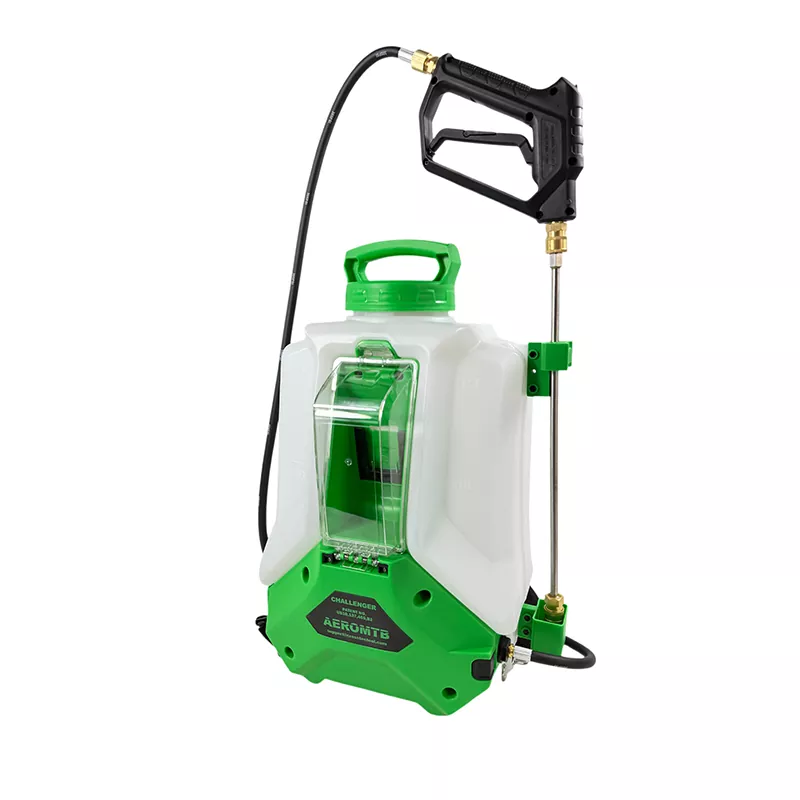
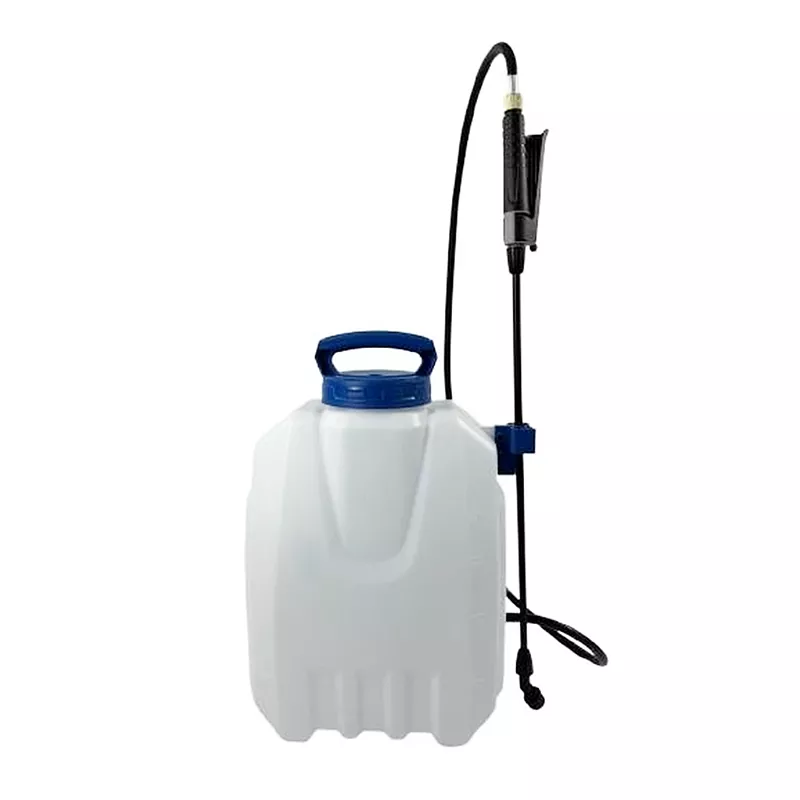
Battery-powered sprayers are available in several configurations. Backpack models are suitable when mobility is important, while wheeled and trolley-style designs can be advantageous when larger liquid volumes need to be transported across relatively accessible terrain. Soft-bag models can provide another option for lightweight applications where compactness is a priority.
The right configuration depends less on the label of the machine and more on the actual spraying task. Crop type, application area, liquid characteristics, required coverage, working duration, operator requirements, and available battery systems should all be considered before purchasing equipment.
Although different models use different components, the operating principle is relatively straightforward. The battery powers a pump, the pump draws liquid from the tank, and the liquid is pushed through the delivery system toward the nozzle.
A typical operating sequence includes the following steps:
More advanced equipment may add features such as variable-speed control, battery status monitoring, automatic cleaning functions, or compatibility with different battery platforms. These functions can be particularly valuable for professional operators who need to repeat spraying operations consistently.
For example, Crosstec's Battery Sprayer product range includes configurations designed around different working requirements, including backpack systems, wheeled solutions, soft-bag designs, and models with enhanced control functions. The company's product information also describes options such as variable-speed operation, self-cleaning functions on selected models, and lithium-ion battery systems.
One of the most obvious problems with traditional hand-pumped sprayers is repetitive physical effort. The operator must repeatedly pump the handle to maintain usable pressure. During short jobs this may be manageable, but repetitive pumping becomes increasingly inconvenient as the working area grows.
A Battery Sprayer transfers much of this work to the powered pump. The operator can therefore focus on walking speed, spray direction, nozzle positioning, and coverage rather than repeatedly operating a pressure handle.
Spray quality depends heavily on consistent flow and pressure. With manual equipment, pressure may decline when the operator becomes tired or changes pumping frequency. This can affect droplet distribution and coverage.
A battery-powered pump can provide a more consistent operating condition, particularly when the machine is correctly configured for the selected nozzle and application. Consistency is important when excessive application and insufficient application can both create problems.
Battery operation can reduce the number of interruptions required during a spraying task. Instead of stopping repeatedly to pump, the operator can maintain a more continuous workflow while the battery has sufficient charge and the tank contains enough liquid.
This can be particularly valuable for commercial landscaping, greenhouse work, orchard management, vegetable production, and other applications involving repeated spraying over large areas.
Backpack Battery Sprayers are designed to move with the operator, making them useful around plants, narrow pathways, gardens, and uneven working environments. Wheeled or trolley configurations can reduce carrying requirements when larger capacities are more important than maximum portability.
Different plants and tasks do not necessarily require the same liquid output. Variable-speed or adjustable-flow systems allow operators to adapt spraying intensity instead of relying on one fixed operating condition.
Crosstec highlights variable-speed options within its Battery Sprayer range, including models designed for applications where spray output needs to be adjusted according to working conditions.
A suitable Battery Sprayer can be configured for many jobs, including plant protection, fertilizer application, weed control, pest management, garden maintenance, greenhouse spraying, orchard work, landscaping, and sanitation.
Choosing a sprayer based only on tank capacity is a common mistake. A larger tank may reduce refilling frequency, but it can also increase overall weight when full. A better purchasing decision considers the entire operating system.
Tank capacity should correspond to the size of the working area and the operator's preferred working method.
However, maximum capacity is not automatically better. A full tank adds considerable weight, so the capacity should be balanced against operator comfort and mobility.
Battery capacity influences how long the sprayer can operate between charging cycles. Runtime requirements depend on pump load, spray settings, operating frequency, battery condition, and the particular application.
When evaluating a Battery Sprayer, ask how the battery is charged, whether replacement batteries are available, how long typical charging takes, and whether the battery can be removed easily.
The pump is one of the most important components because it directly affects liquid delivery. Consider the required pressure, flow rate, chemical compatibility, sealing performance, expected operating duration, and ease of maintenance.
Basic on/off control may be sufficient for simple tasks, while variable-speed control can provide greater flexibility. More precise control can help operators adapt output to different plants, nozzle types, and working conditions.
A sprayer that performs well technically can still be inconvenient if it is uncomfortable to carry. Look for appropriate shoulder straps, balanced weight distribution, practical controls, and a lance that can be handled comfortably for the expected working duration.
Nozzle selection influences the shape, distribution, and output of the spray. The correct nozzle should be selected according to the intended application rather than simply choosing the nozzle supplied by default.
For professional users and distributors, accessory compatibility is also important because it allows the same base platform to serve different customer requirements.
| Selection Factor | What to Evaluate | Why It Matters |
|---|---|---|
| Tank Capacity | Liquid volume and total filled weight | Determines refill frequency and affects portability |
| Battery System | Voltage, capacity, charging, replacement availability | Influences runtime and operating convenience |
| Pump | Pressure, flow, construction, durability | Controls liquid delivery performance |
| Spray Adjustment | Fixed or variable output | Helps match application intensity to the task |
| Carrying Design | Backpack, wheeled, trolley, or soft bag | Affects mobility and operator fatigue |
| Nozzles | Pattern, output, and compatibility | Determines how liquid is distributed |
| Maintenance | Cleaning, filters, seals, pump access | Can reduce downtime and extend service life |
For homeowners and professional gardeners, a Battery Sprayer can simplify routine plant maintenance. Instead of repeatedly pumping a manual sprayer, the operator can move around flower beds, lawns, shrubs, and ornamental plants while maintaining a more consistent application process.
Greenhouses often contain closely spaced plants where accurate movement and controlled application are important. A compact backpack or portable sprayer can provide useful flexibility in narrow working areas.
Orchards require repeated movement between rows and around individual plants. A portable battery-powered system can help reduce manual pumping and make routine spraying more manageable.
For crop protection and fertilizer-related applications, operators need equipment that matches the size of the operation and the required application method. Larger-capacity or wheeled solutions can be useful where carrying a full backpack would create unnecessary physical strain.
Landscaping teams may need to work across lawns, public spaces, gardens, commercial properties, and other outdoor environments. A battery-powered sprayer can support mobile operation without requiring a gasoline engine or manual pressure pumping.
Some spraying equipment can also be used for sanitation-related applications when the machine's materials, seals, pump, and chemical compatibility are suitable for the intended liquid. Operators should always confirm compatibility and follow the chemical manufacturer's application instructions.
Crosstec identifies gardening, horticulture, greenhouse cultivation, orchards, vegetable farming, landscaping, pest and weed control, fertilizer application, crop spraying, disinfection, and sanitation among the application areas for its sprayer solutions.
Running a sprayer at maximum output for every application is not necessarily efficient. Match the spray output to the task, nozzle, plant structure, and recommended application rate.
Even a well-designed sprayer can produce uneven coverage if the operator changes speed dramatically. A steady walking pace helps create a more consistent application pattern.
A partially blocked nozzle can change spray distribution and increase pressure in the system. Check the nozzle before each major spraying session and clean it using the appropriate procedure.
Do not wait until the battery is completely depleted during an important job. Plan charging cycles according to the expected workload and keep an appropriate backup strategy for professional operations.
Nozzle geometry affects spray pattern and output. Using a nozzle that does not suit the application can lead to poor coverage, unnecessary liquid consumption, or excessive drift.
Residue can accumulate inside tanks, hoses, filters, pumps, and nozzles. Regular cleaning helps maintain liquid flow and reduces the possibility of cross-contamination between different products.
Maintenance should be treated as part of normal operation rather than something performed only after a malfunction occurs.
Crosstec states that its sprayer products use components such as corrosion-resistant pumps, durable tanks, ergonomic carrying systems, and lithium-ion battery technology, while selected models incorporate self-cleaning functionality.
A large tank may sound attractive because it reduces refilling. However, once filled, the tank can become substantially heavier. For backpack operation, comfort and balance should be considered together with capacity.
Not every liquid is suitable for every pump, seal, tank, hose, or nozzle. Always verify compatibility before using a chemical product.
Continuing to operate with a blocked or damaged nozzle can produce poor coverage and unnecessary strain on the spraying system. Stop the machine and clean or replace the nozzle according to the equipment instructions.
Improper battery handling can reduce service life. Charging and storage practices should follow the battery manufacturer's specifications rather than relying on assumptions.
Leaving residues inside the sprayer can create avoidable maintenance problems. Cleaning immediately after use is generally easier than attempting to remove dried or concentrated residue later.
Crosstec has developed battery-powered spraying equipment for gardening, horticulture, landscaping, greenhouse cultivation, and agricultural applications. Its product range includes backpack, wheeled, and soft-bag configurations, along with different accessories and functional options.
For users who need more than a basic portable sprayer, the available configurations can address several practical requirements. Certain Crosstec models incorporate variable-speed control, Bluetooth-related functions, or self-cleaning features, depending on the specific configuration.
For distributors, wholesalers, retailers, and private-label brands, customization can be another important consideration. Crosstec describes OEM and ODM options that can include branding, color customization, packaging, battery capacity, lance and nozzle configurations, and functional modifications.
This flexibility is particularly useful when a distributor needs to adapt a Battery Sprayer to a specific market rather than simply purchasing a standard configuration. Battery requirements, local preferences, packaging expectations, application conditions, and accessory combinations can vary considerably between markets.
A supplier should also be evaluated beyond the product specification sheet. Important questions include:
Crosstec states that it operates quality management processes, uses professional engineering resources, performs product testing, and inspects sprayers before shipment. The company also reports supplying customers across multiple international markets.
For many repeated or extended spraying tasks, a Battery Sprayer can reduce manual pumping effort and provide a more convenient operating experience. The best choice depends on application size, working duration, required output, and budget.
Runtime varies according to battery capacity, pump load, spray setting, nozzle selection, liquid characteristics, and operating conditions. The manufacturer's stated specifications should be used for the particular model rather than applying one runtime estimate to every Battery Sprayer.
Choose capacity according to the size of the application, refill availability, operator strength, and mobility requirements. A larger tank is useful for reducing refills, while a smaller tank may be easier to carry for extended backpack operation.
It can be used for suitable agricultural spraying applications when the equipment materials and components are compatible with the specific chemical. Always follow the chemical manufacturer's instructions and confirm compatibility before use.
Variable-speed control allows the operator to adjust liquid output rather than relying on a single fixed setting. This can make the sprayer more adaptable to different plants, areas, nozzles, and application requirements.
Lithium-ion batteries are widely used in portable powered equipment because they can provide a useful combination of energy density, rechargeability, and relatively low routine maintenance. The exact battery performance depends on its capacity, electrical design, operating conditions, and charging practices.
The sprayer should generally be cleaned after each spraying operation, particularly when chemicals, fertilizers, or other residues are involved. Cleaning frequency and procedure should follow the equipment and chemical manufacturer's instructions.
Yes. Crosstec describes OEM and ODM services covering areas such as branding, color, packaging, battery capacity, nozzle and lance configuration, and selected functional upgrades. This can be useful for distributors and brands that need application-specific or private-label products.
Evaluate tank capacity, battery system, pump performance, spray adjustment, carrying method, nozzle options, chemical compatibility, maintenance requirements, replacement parts, and supplier support. Looking at the complete operating system is more useful than comparing tank capacity alone.
A well-designed Battery Sprayer can address several of the most common challenges associated with manual spraying: repetitive pumping, operator fatigue, inconsistent pressure, unnecessary interruptions, and limited application flexibility. By combining a suitable battery system with an appropriate pump, tank, nozzle, control method, and ergonomic structure, users can create a more efficient spraying workflow.
The key is to select equipment according to the actual application rather than choosing specifications simply because they appear larger or more advanced. Tank capacity should match the working area, battery capacity should match expected runtime, pump performance should match the application, and the carrying system should suit the terrain and operating duration.
For professional users and businesses, supplier capability is equally important. Crosstec provides a range of Battery Sprayer configurations for gardening, horticulture, landscaping, greenhouse, orchard, agricultural, and related applications, with selected models offering variable-speed control, self-cleaning functions, Bluetooth-related features, and different battery configurations. The company also provides OEM/ODM customization for distributors and brands.
If you are looking for a Battery Sprayer for commercial distribution, agricultural applications, professional landscaping, gardening, or a customized private-label project, contact us to discuss your required capacity, battery configuration, pump performance, accessories, and application requirements with Crosstec.